
 Preserving memories and family history by passing down heirlooms is a common practice across Scotland. Items such as furniture, books, jewellery and many others can be passed from parent to child down through the generations.
Each heirloom, regardless of its financial value, is a way of connecting with the past, to memories and to people no longer with us. It bonds each generation with something tangible and becomes a way to honour a family’s legacy and cultural heritage.
Heirlooms can be powerful evocative objects and, as such, should be cared for appropriately. However, there are times when items fall into disrepair through use or simply through age.
For jewellery heirlooms, that is when taking it to a master goldsmith for restoration can preserve it for decades to come.
Why is restoration important for preserving jewellery?
An expertly restored ring, necklace or bracelet can mean it is preserved for future generations.
Bringing a piece back to its original shine and aesthetic can make it more wearable, and it will continue to be treasured by owners. For more valuable and antique heirlooms, it can prevent a loss in monetary value and breakages.
What techniques are used in jewellery restoration?
Clean and polish
Cleaning and polishing of jewellery can be undertaken with a soft cloth at home. However, for more delicate or heavily soiled jewellery, it is best left to the master craftsmen and goldsmiths.
Buffing machines and soft brushes can be used alongside steam cleaning technology. Ultrasonic cleaning techniques can also be used, where high-frequency vibrations literally shake off the dirt.
Rhodium plating
For jewellery that has lost its shine or is tarnished beyond the scope of polishing, rhodium plating can be added.
Using an electro-magnetic plating technique, a very fine layer of rhodium, a brilliant precious metal, is adhered to the metal. It is designed to increase the shine, prevent scratches and tarnishing.
Structural repairs
Soldering on settings and replacing links on chains can ensure the structural integrity of the jewellery. This also applied to hinges and brackets on watch and locket repairs.
Replacement stones
Precious stones and gems which have been lost or damaged can be recut or replaced, and their settings repaired to prevent further loss.
Although like-for-like replacement cannot always be made, as every gem is different, the goldsmith will work to provide the most appropriate stone, cut and setting to suit the piece.
Resizing
Although not a restoration technique, if your heirloom is a ring you intend to wear, then enlarging or reducing the ring size might be required for a comfortable fit.
This is done by either cutting out a section of the band, rejoining it and polishing it, or by stretching or adding metal to make it larger.
What famous pieces of jewellery have been restored?
A damaged crown
The crown of 19th-century French Empress Eugénie de Montijo will be restored to its former glory by conservation experts and master jewellers.
The emerald and diamond-encrusted gold crown was crushed when thieves tried to steal it from the Louvre Museum in 2025. It is thought that despite being deformed, it still has the majority of its 1,354 diamonds intact.
A Fabergé egg
Although not always considered jewellery, a Fabergé Peacock egg made in 1908 was restored after being rescued from a scrap heap in the United States. The Imperial Egg, worth $20 million, was repaired by a team of goldsmiths, engravers and enamel specialists.
An Australian ring
Featured on The Repair Shop television show, an Australian ring was handed down over several generations and travelled over 9,000 miles.
The heirloom eventually reached the workbench of goldsmith Richard Talman. The 170-year-old gold ring was broken in two parts, and it was brought back to life by the craftsman.
The ring features a pick and shovel, a reference to the gold mining that unearthed its precious metal. It was repaired and restored to be worn on its owner’s wedding day.
Should you wear a jewellery heirloom?
Wearing a family heirloom, either daily or for special occasions, is a personal choice. However, it is important to consider whether wearing it will cause damage.
If the piece is of great monetary, historic or sentimental value, then that should be considered first. A lost heirloom cannot truly be replaced, no matter how much it is insured for.
Should restoration work always be completed by a master craftsperson?
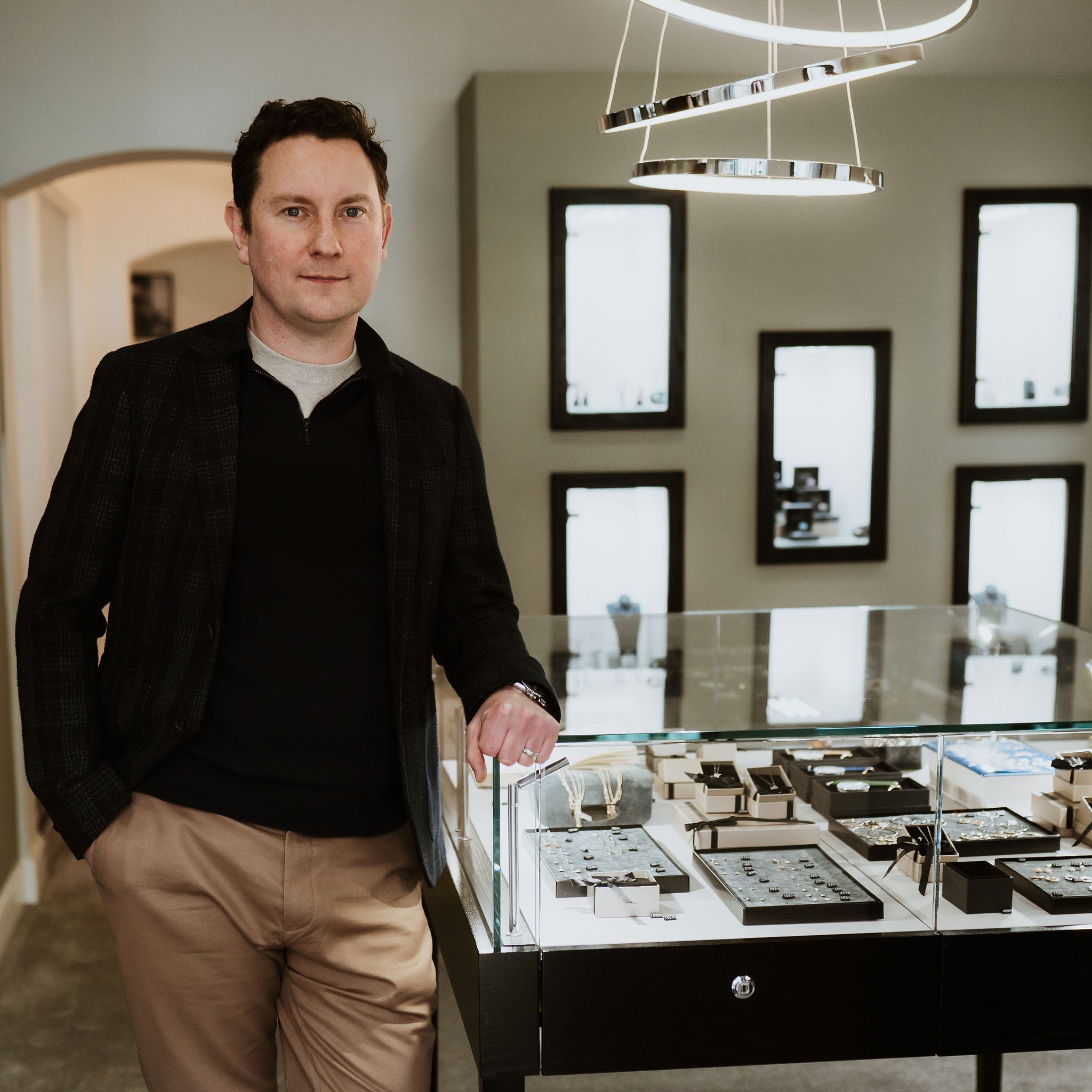
An expert can clean and inspect the heirloom for flaws and damage, and you’ll know it is in safe hands. Jewellery restoration is one of the services offered by Liam Ross and the team in Edinburgh.
Our highly experienced goldsmiths can inspect the piece and provide quotes for repairs or cleaning. We can also offer genuine advice on how to care for your heirloom so that you can keep it safe to eventually pass it on to your children and grandchildren.