
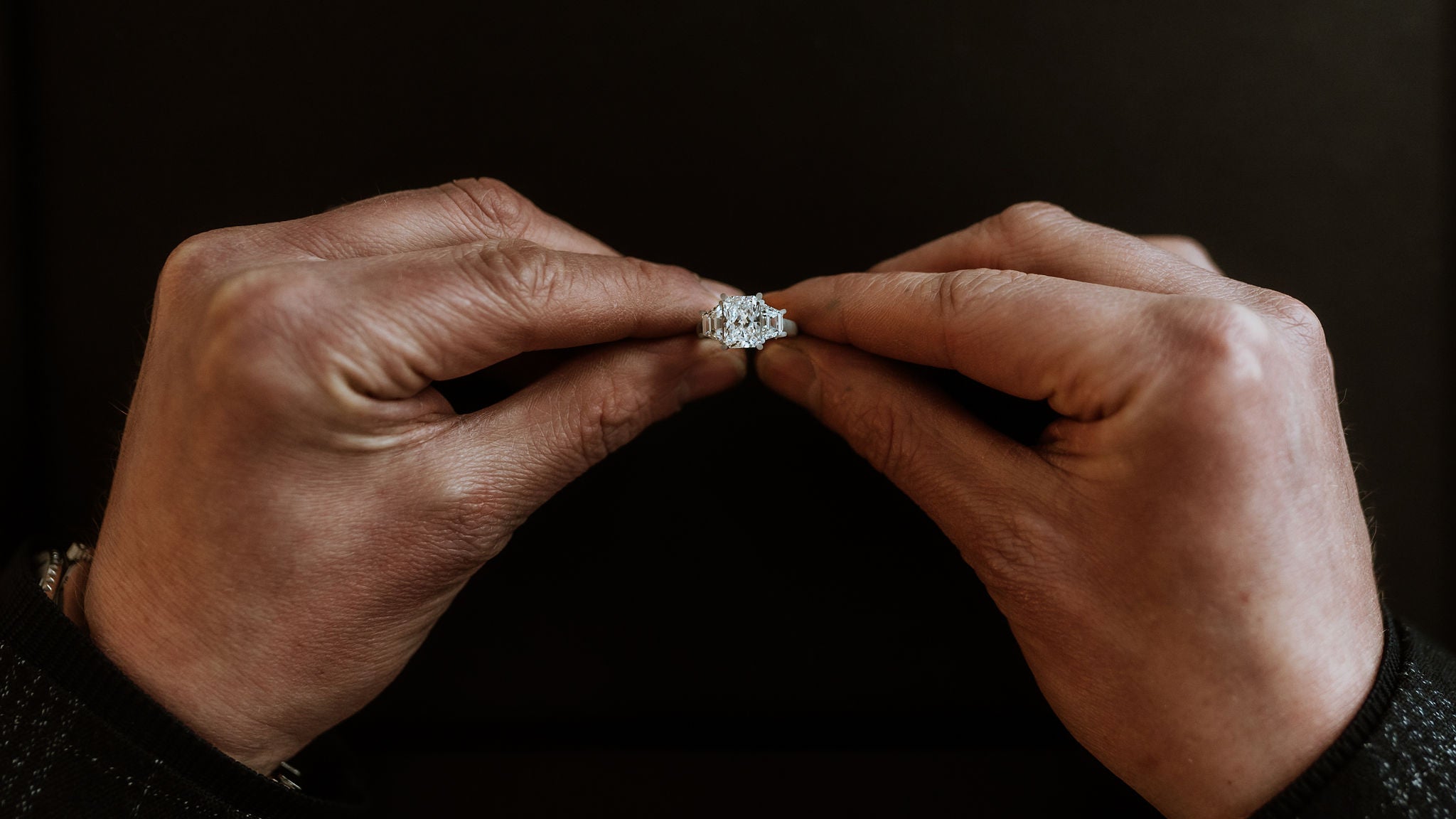
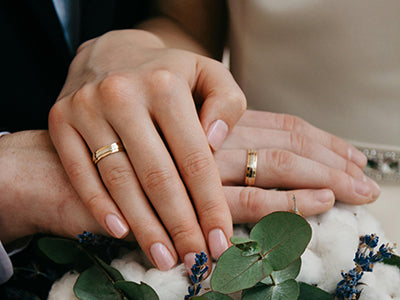
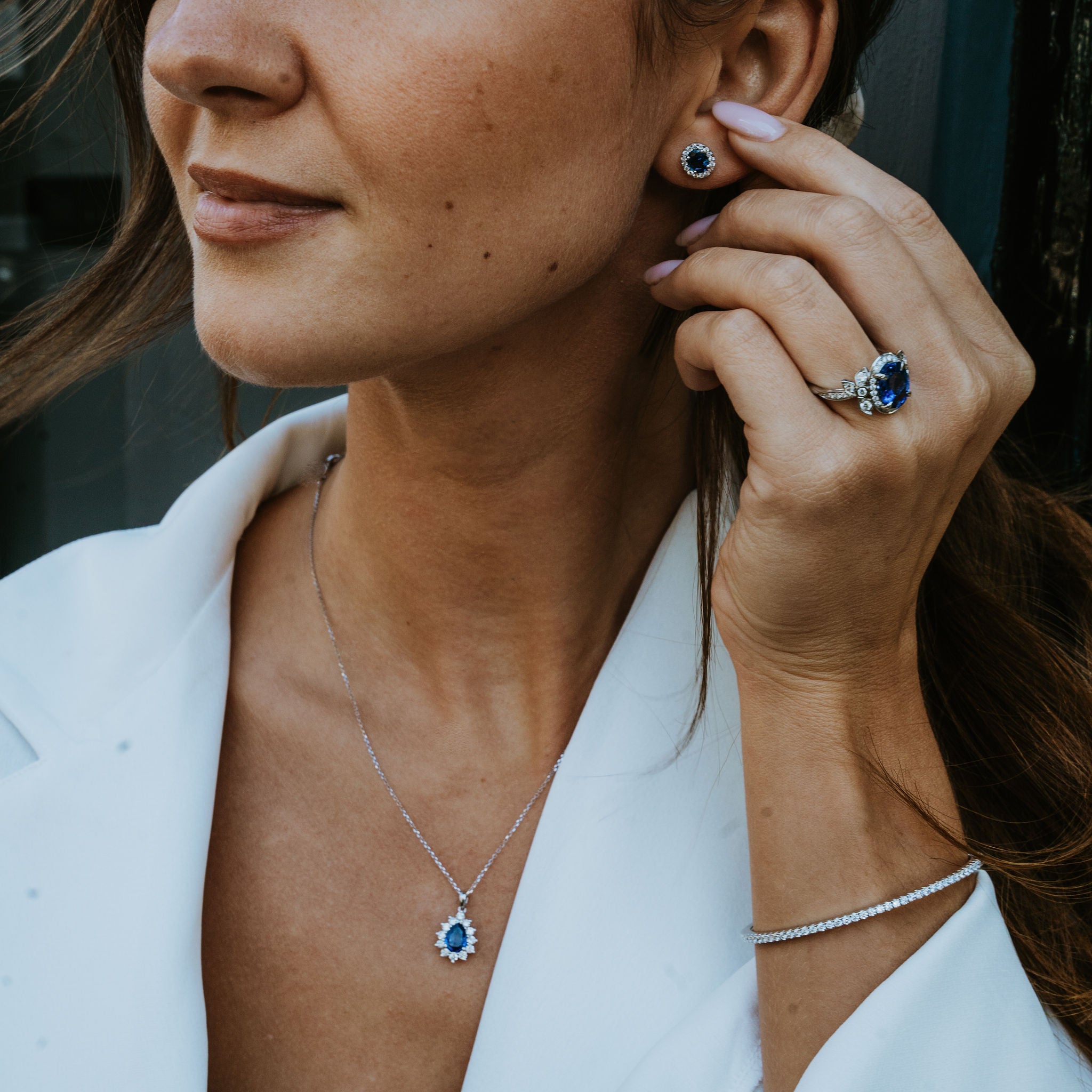


 The idea of wearing diamond wedding rings, or other jewellery bearing this most precious of stones, is an aspiration that has captivated millions over the years. While some may not quite subscribe to the mantra that “diamonds are a girl’s best friend”, there is an undoubted appeal in these beautiful and almost indestructible gems.
However, like anything that is of high value, there is always the tragic reality that the darker side of human nature is never far away. This is not just about theft, but a wide range of issues, including exploitation, war and more widespread criminality.
What Was Controversial About Diamonds And Colonialism?
Of course, accusations about bad behaviour over precious stones are nothing new. Britain’s own colonial past enabled it to acquire many grand gems from around the world and, even today, some countries make a claim on them. A prime example is the Koh-I-Noor diamond, part of the British Crown Jewels, but claimed by India, Pakistan and Afghanistan.
Of course, a diamond on your finger today won’t prompt you to be sent diplomatic letters from New Delhi or Islamabad. Indeed, diamonds were usually the preserve of the rich until the second half of the 20th century, when generally greater affluence and clever marketing by the likes of De Beers helped develop a mass market.
Of course, some might now see De Beers in historically dubious terms, given it was founded by the controversial figure of Cecil Rhodes and was based in Apartheid South Africa, although the latter has not been a live consideration for over 30 years.
How Does The Kimberley Process Halt The Conflict Diamond Trade?
However, in the 21st century, De Beers and other major diamond producers have aligned themselves with efforts to ensure diamond production and sales are ethical. Central to this is an international agreement reached in 2002 that underpins the efforts of jewellers such as ourselves to ensure your diamonds are ethical.
The agreement in question was the Kimberley Process, a certification scheme through which governments (including the UK) would control trade in rough diamonds to ensure they were not sourced from areas of conflict. This means, for example, that a De Beers diamond would be fine as South Africa is not in conflict, whereas some from other places would be.
Until this agreement, conflict diamonds were used by various rebel forces as a means of funding wars and armed rebellions against governments, meaning that the stones people would end up wearing on their fingers had at some point helped pay for weaponry.
However, the Kimberley Process website states, the 2002 agreement eliminated 99.8 per cent of this trade in all countries that have participated in the scheme.
Where Do Most Diamonds Come From?
Anyone who is concerned about which country their diamonds come from might be concerned that the biggest producer is Russia. However, this does not mean your diamond will have originated there. The next largest is Botswana, a stable democracy. Angola, which has been at peace since the end of its civil war in 2002, is third, while Canada is fourth.
The Kimberley Process is a robust measure to help ensure rough mined diamonds are ethical and not used to fund destructive activities, while diamond mining is a large part of GDP for countries such as Botswana.
Why Are Lab-Grown Diamonds An Ethical Alternative?
However, there is an alternative, something that many have turned to as a means of guaranteeing beyond any doubt that the diamonds they offer are ethical, which is to use lab-grown diamonds.
This is an option for us and there are good reasons for using such diamonds:
· The labs are not producing diamonds that can be used to fund wars or any criminal activity
· They do not involve any practices that might exploit people, such as child labour or slavery
· They do not cause any environmental damage
· The cost is 25-50 per cent lower per carat than mined diamonds
Lab-grown diamonds might sound novel and some might turn their noses up at the thought of something that isn’t ‘real’, until, that is, they see that they look, feel and have the same hardness as anything dug up from the ground.
How Popular Are Lab-Grown Diamonds?
Not surprisingly, therefore, they have caught on. According to London-based jewellers Queensmith, 78 per cent of the engagement rings it sold last year used lab-grown diamonds, up from just one per cent in 2019.
Queensmith founder Brett Ashfar told Britbrief: "The rise of lab-grown diamonds has been one of the most transformative shifts our industry has seen in decades.”
If you want diamonds in your wedding or engagement ring, you can be sure that what we supply is ethical. If it has been mined, it will be from a certificated source regulated by the Kimberley Process. However, you can go a step further by opting for a lab-grown diamond. There need be no compromise between luxury, ethics and sustainability.